
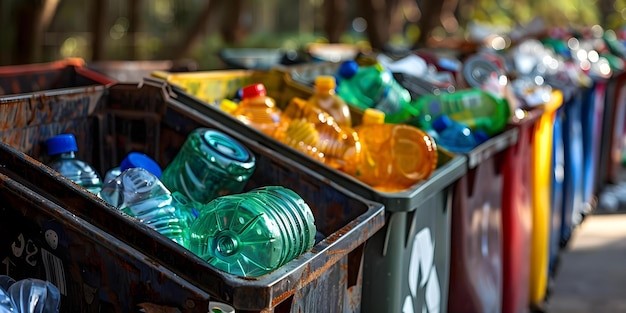
Malaysia’s Ambitious Plastic Bag Ban by 2025: Challenges and Progress
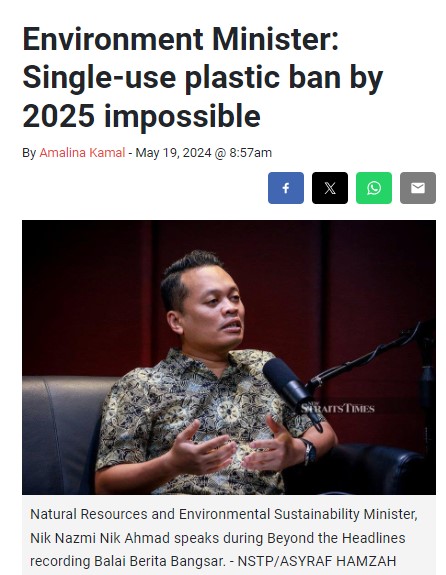
The Malaysian government has set an ambitious goal to ban the use of plastic bags for retail purposes across all business sectors nationwide by 2025. This initiative, spearheaded by the Minister for Natural Resources, Environment, and Climate Change, Mr. Nik Nazmi Nik Ahmad, is part of a broader campaign to combat pollution caused by single-use plastics.
Phased Implementation of the Plastic Bag Ban
The “No Plastic Bags” campaign has been rolled out in phases, initially targeting fixed business locations like supermarkets and select shops. By 2025, the campaign is expected to expand to cover all physical outlets, including roadside stalls and smaller vendors. Various state governments, including those in Selangor, Penang, Johor, and Negri Sembilan, have already introduced measures to reduce plastic bag usage.
Mr. Nik Nazmi emphasized that the campaign’s goal is not only to impose fines on offenders but also to incentivize the reduction of plastic bag usage. He highlighted the flexibility given to state governments and local authorities to implement the ban based on their unique needs.
Significant Challenges and Adjusted Expectations
Despite the government’s commitment, Mr. Nik Nazmi acknowledged the significant challenges in meeting the 2025 deadline. He noted that while some states, like Selangor and Penang, have rapidly adopted the plan, extending these policies uniformly across the country, especially to smaller vendors, has proven difficult.
Behavioral changes among the public have also been slower than anticipated. The minister admitted that the initial goal of eliminating single-use plastics by 2025 might not be achievable. However, he reaffirmed the ministry’s dedication to addressing plastic pollution through the development of viable alternatives and the enhancement of recycling systems.
The Role of Alternatives and Global Cooperation
One of the key hurdles in replacing plastic bags is the cost of alternatives, which remains high due to limited production scales. Mr. Nik Nazmi mentioned ongoing efforts to increase production and reduce costs, making these alternatives more accessible.
Moreover, the ministry is exploring international cooperation through a global plastic treaty to further their efforts in combating plastic pollution. While the exact target may not be met on time, Mr. Nik Nazmi expressed confidence in the significant progress being made.
Conclusion
The Malaysian government’s initiative to ban plastic bags by 2025 represents a significant step toward reducing plastic pollution. Although challenges remain, particularly in achieving uniform implementation across all states and sectors, the ongoing efforts to develop alternatives and engage in global cooperation offer hope for meaningful progress in the fight against plastic waste.
Get In Touch
Contact Us
+6018 788 1618