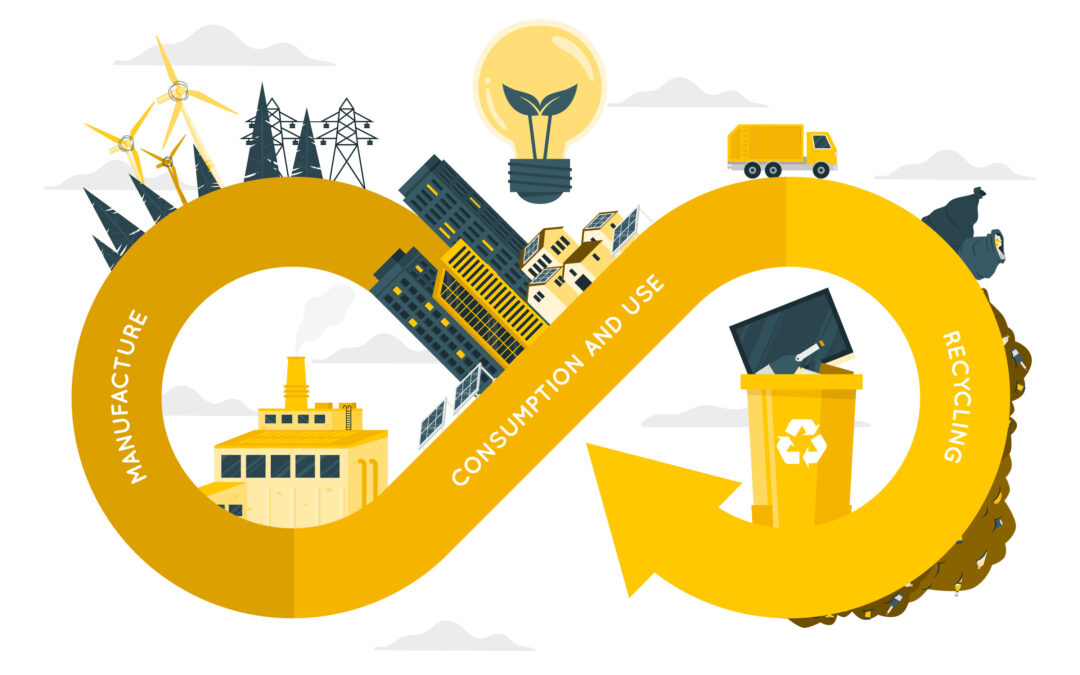
In April 2025, Indonesia, long plagued by mounting plastic waste, is taking a bold and systemic approach to the problem: prioritizing reuse over recycling. With the recent launch of a national “reuse road map,” the country is shifting away from reactive waste management toward a proactive, circular economy model—focusing on reducing waste before it’s even created.
A Return to Sustainable Traditions
The idea of reuse is far from foreign in Indonesia. Traditionally, many communities have relied on reusable containers for daily activities—whether it’s sipping coffee from a ceramic mug at a street stall or using large refillable water gallons at home and in offices. These practices, embedded in Indonesia’s cultural fabric, reflect a resourceful and sustainable mindset.
However, in recent decades, the rise of single-use plastics—driven by convenience and rapid urbanization—has led to an explosion in plastic waste. Indonesia generates about 7.8 million metric tons of plastic annually, with a significant portion ending up in rivers and oceans. The surge in takeaway culture, often involving plastic containers and cutlery, has contributed significantly to this environmental burden.
The Reuse Road Map: A National Framework
Recognizing that recycling alone is not enough, the Indonesian government, in collaboration with civil society groups such as the Indonesia Plastic Bag Diet Movement, has launched the “reuse road map.” Spearheaded by environmental advocate Tiza Mafira and supported by the Ministry of Environment and Forestry, this strategic framework aims to standardize and scale reuse practices across the country.
The road map outlines practical steps for implementing reuse systems within industries, especially the food and beverage sector. By shifting the focus upstream—prioritizing items designed to be used multiple times before being recycled—the initiative aims to fundamentally redesign how packaging and consumer products are delivered and consumed.
Grassroots Innovation Leading the Way
While national policy sets the tone, much of the momentum is being driven by local innovators. Social enterprises like Enviu’s Zero Waste Living Lab have launched ventures such as Allas and Alner to promote reuse in everyday life. Allas partners with food vendors to supply meals in reusable containers through a return-and-wash system, while Alner collaborates with major brands to offer products in refillable packaging for home and personal care items.
These startups are not only reducing the environmental impact of plastic waste but also making reuse convenient for consumers. By integrating these systems into daily routines, they are helping to cultivate a shift in consumer behavior toward more sustainable habits.
A Blueprint for the Region—and the World
Indonesia’s reuse movement stands out as a model for other countries seeking to address plastic pollution. It shows that meaningful change can happen when policy, culture, and innovation align. The reuse road map presents a replicable framework that other nations, especially in Southeast Asia, can adopt to meet their own sustainability goals.
By tapping into local traditions and coupling them with modern systems thinking, Indonesia is proving that the transition to a circular economy is not only necessary—it’s entirely possible.
As the world grapples with the escalating plastic crisis, Indonesia’s reuse-first approach offers a hopeful path forward: one where waste is no longer inevitable, but preventable.
Get In Touch
Contact Us
+6018 788 1618