
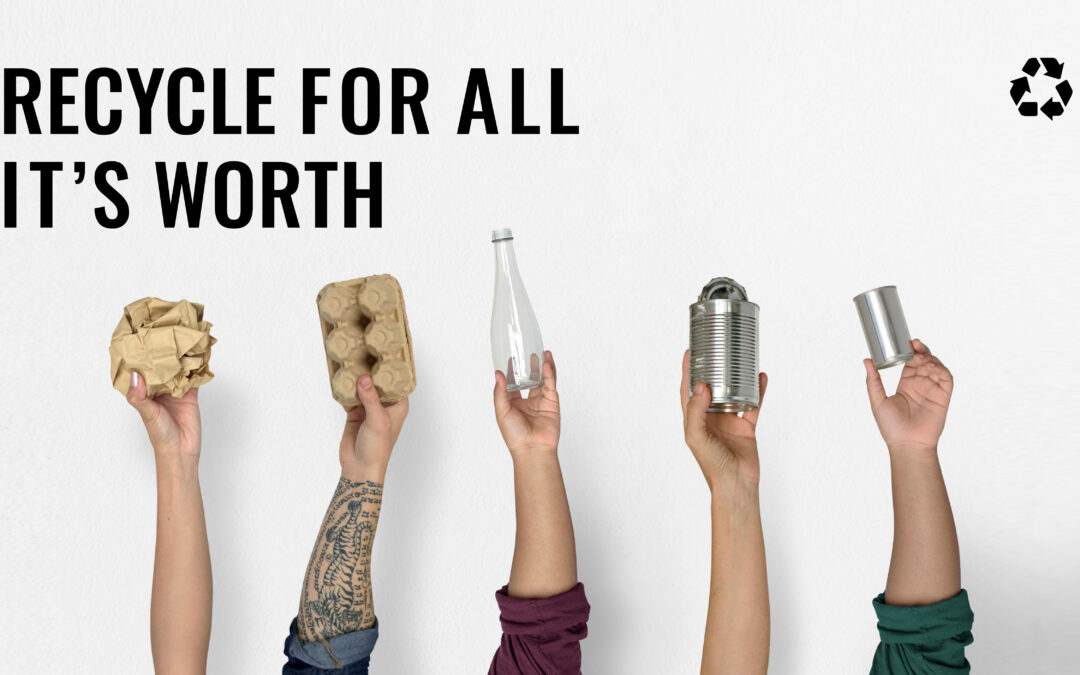
In 2024, it was reported that Singapore’s recycling rate has slipped from 62% in 2013 to just 52% in 2023—falling short of the 70% target outlined in the nation’s Zero Waste Masterplan. The usual suspect? Overflowing blue bins filled with food-contaminated recyclables. But experts say that’s not the real culprit.
Instead, the roots of the problem are structural. Singapore lacks sufficient domestic recycling facilities and depends heavily on exports to nearby countries like Malaysia and Indonesia. This reliance exposes the recycling sector to external forces—rising freight costs, fluctuating commodity prices, and global regulations such as the Basel Convention.
The situation worsened with China’s 2018 “National Sword” policy, which banned the import of contaminated recyclables. More recently, disruptions in global shipping due to Red Sea tensions have driven freight costs even higher.
Given Singapore’s limited land and relatively small market size, building large-scale recycling infrastructure remains a challenge. Still, some progress is being made. Projects like Abraclean, which recycles glass into industrial abrasives, and Magorium, which transforms plastic waste into road materials, are steps in the right direction. Meanwhile, Tuas Nexus, an integrated waste and water treatment facility, is slated to begin operations from 2025.
But better infrastructure alone won’t solve the issue. Singapore’s only landfill—Semakau—is expected to reach capacity by 2035. That’s why experts stress the importance of waste reduction over recycling. Encouragingly, NEA statistics show that individual waste generation has slightly dropped, from 0.9kg per day in 2022 to 0.88kg in 2023.
The Bottom Line
Recycling remains important—but it’s no match for overconsumption. A more sustainable future lies not just in recycling more, but in using less.
What Our Network is Saying
- Mr. K – Managing Director, Biocompost Material Manufacturer
“Everyone ignores food waste. Compostable is a key solution, yet it barely gets a mention.”
- Ms. L – Executive Director, Plastic Manufacturing Company
“It unfairly targets plastics. The real issue is poor recycling infrastructure, not the material itself.”
- Mr. Darren – University Student
“This entire exercise lacks urgency. Students want to help, but there’s no clear role for us.”
- Mr. Tan – Retired School Principal
“I recycle, but what’s the point if it all goes to waste? The article offers little hope for real change.”
Get In Touch
Contact Us
+6018 788 1618