
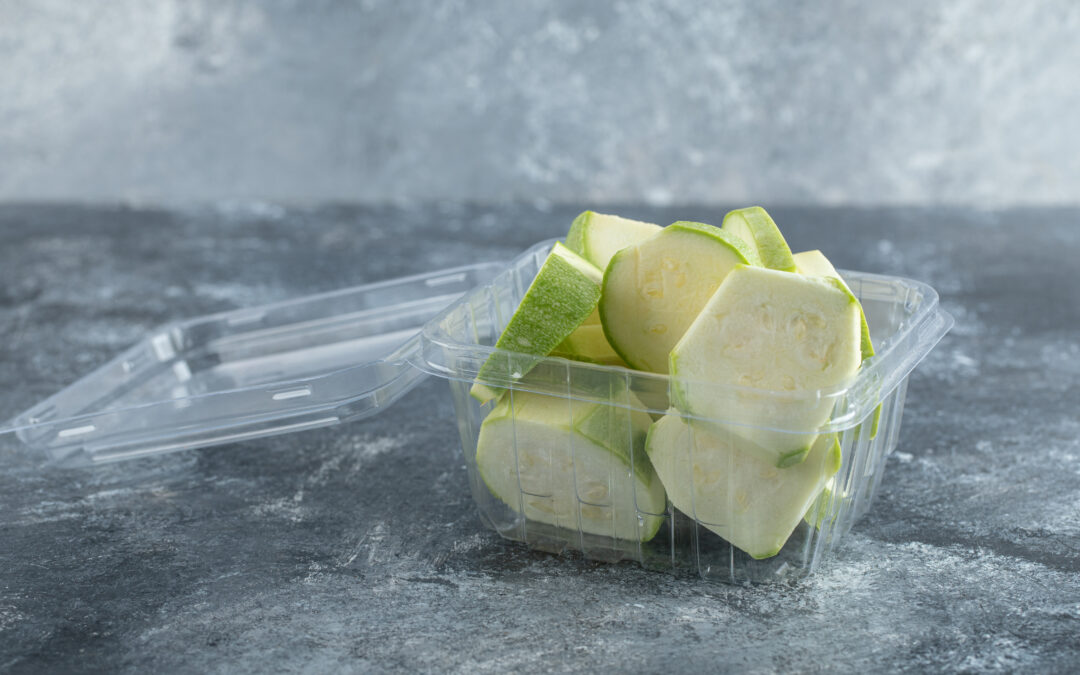
The debate over plastic waste in the UK has taken a sharp turn as the Waste and Resources Action Program (WRAP), a leading environmental NGO closely aligned with the Labour Party, calls for a government ban on plastic packaging for 21 common fruits and vegetables.
This bold proposal forms part of a broader waste-reduction strategy expected to be announced in the coming weeks.
Why Target Produce Packaging?
WRAP argues that many fruits and vegetables are naturally resilient or protected by their skins, making plastic packaging unnecessary. The first phase of the proposed ban would cover everyday items such as apples, bananas, potatoes, and salad tomatoes.
According to WRAP’s estimates, eliminating plastic wrapping for these 21 items could prevent:
- 100,000 tons of food waste annually
- 13,000 tons of plastic film waste each year
Beyond the environmental impact, the organisation stresses that loose produce could encourage healthier consumer habits, allowing people to “buy only what they need” instead of being forced into pre-packaged portions.
Public and Retailer Support
WRAP’s research suggests consumers are on board. A recent poll found that 64% of UK shoppers would prefer to buy produce loose if given the option. As a WRAP spokesperson put it, the change would help customers return to “shopping like our nan,” reducing surplus waste and overconsumption.
The NGO’s efforts are also supported by other environmental groups. City to Sea and Everyday Plastic have launched the Choose Loose campaign, urging supermarkets to expand loose produce options. Keep Britain Tidy is advocating for a nationwide Deposit Return Scheme, while SERA, Labour’s environment campaign, has pushed for stronger plastic reduction policies within the party’s platform.
A Growing Push for Policy Change
Together, these initiatives reflect mounting pressure on UK retailers and policymakers to confront the problem of single-use plastics. While the government has already introduced bans on certain plastic items such as straws and cutlery, produce packaging remains one of the largest contributors to household plastic waste.
The details of WRAP’s proposal—including timelines and enforcement mechanisms—have not yet been revealed, but the call underscores the urgency of rethinking how fresh food is packaged and sold. For many campaigners, the move represents not just an environmental necessity but also a cultural shift toward more sustainable shopping practices.
As the UK awaits further announcements, one thing is clear: the fight against plastic waste is gaining momentum, and the humble fruit and vegetable aisle may soon look very different.
Get In Touch
Contact Us
+6018 788 1618