
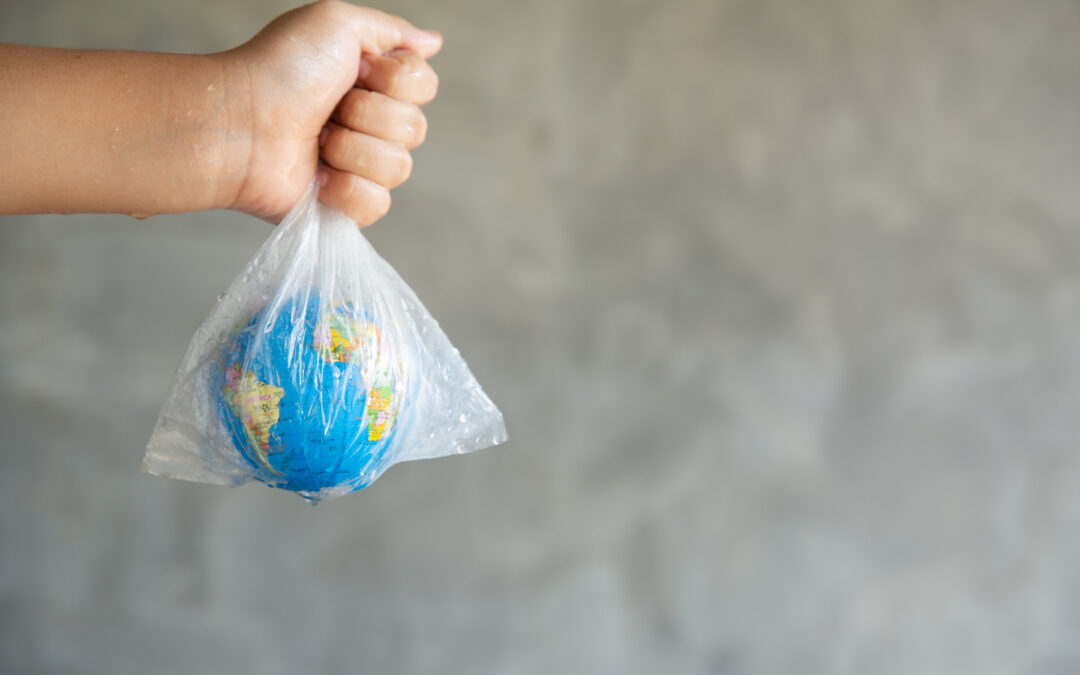
In a decisive step toward environmental reform, California Governor Gavin Newsom has signed a new law that bans all plastic shopping bags at grocery stores starting in 2026 — effectively ending the long-standing “paper or plastic” question at checkout counters.
The state had already prohibited thin plastic bags nearly a decade ago, but a loophole allowed the use of thicker, so-called “reusable” plastic bags that were rarely recycled in practice. According to a state study, the average Californian was actually using and discarding more plastic bags in 2021 than in 2004, undermining the original intent of the 2014 ban.
State senator Catherine Blakespear, one of the law’s proponents, summed up the urgency bluntly:
“We are literally choking our planet with plastic waste.”
Environmental advocates have applauded the move. Oceana, a leading non-profit, hailed the law as a victory for marine life, coastlines, and communities, calling it a model for other regions to follow.
This legislative update also brings California’s policy full circle — from being the first city in the U.S. (San Francisco, 2007) to ban plastic bags under then-Mayor Newsom, to now becoming the first state to completely eliminate them from grocery checkout lines.
With this, California reaffirms its status as a leader in the global fight against plastic pollution, reminding the world that sustainable change often requires revisiting and refining earlier efforts.
Voices from our network
Mr James (Plastic manufacturer in SEA exporting to USA)
“For our business, California’s ban sends a strong message: if you’re supplying single‐use plastic bags into the U.S. market, your window is closing. We’re already accelerating efforts to transition our production lines toward heavier-duty reusable bags and alternative materials. Exporters must anticipate the downstream demand shift now.”
Ms A (ESG consultant in Malaysia)
“This is an important regulatory precedent. It demonstrates how consumer-market jurisdictions can push upstream manufacturing and supply chains to adapt. From an ESG perspective, companies in Malaysia and beyond should evaluate their plastic-bag exposure, map regulatory risk in export markets, and consider circular strategies now rather than later.”
Ms Denise (Retailer in USA)
“As a U.S. retailer, we’re closely watching how this California law plays out because migration of policy is likely (other states may follow). We need to begin planning layout, stocking, customer communications and bag-alternative pricing now—so that we’re not caught off guard when the ban becomes active.”
Mr A (Biodegradable plastic product manufacturer)
“This presents a clear business opportunity. As markets tighten on single‐use plastics, biodegradable or compostable alternatives become more than niche—they become essential. We’re ramping up our capacity and positioning ourselves as the supplier of choice for next-generation bag solutions.”
Get In Touch
Contact Us
+6018 788 1618