
1. The Role of Automation in Industry
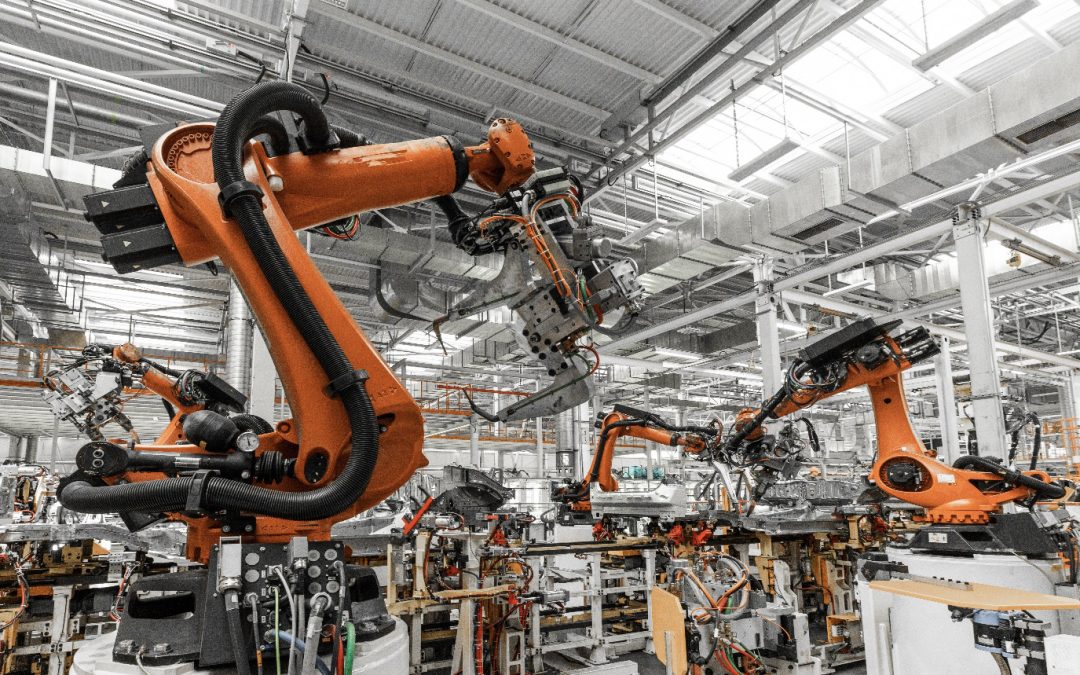
Automation is transforming industries, with more than half of production operators expected to work with robots in the next decade. Large companies are leading the way in adopting advanced technology, but small and medium-sized enterprises (SMEs) lag behind. SMEs play a crucial role in economies, representing 99% of businesses in the U.S. and Europe, contributing to job creation, supply chains, and innovation. The slow adoption of automation by SMEs impacts economic resilience and competitiveness, contributing to the decline in manufacturing sectors in key markets.
2. Challenges SMEs Face in Automation
SMEs have been hesitant to adopt automation due to high upfront costs and the complexity of traditional robots, which require significant expertise. Small-scale manufacturers producing diverse products face challenges in using traditional robots, as reprogramming them for different tasks is time-consuming and complex. The need for flexibility in high-mix, low-volume production environments has made traditional automation less attractive for SMEs.
3. Opportunities and Benefits of Automation for SMEs
Newer technologies like collaborative robots (cobots) offer flexibility and can be easily reconfigured, making automation more accessible to SMEs. Automation addresses talent shortages by improving productivity and reducing labor costs, with manufacturing jobs in high demand but difficult to fill. Cobots improve operational efficiency, product quality, and adaptability, allowing SMEs to respond to market demands more effectively.
4. Strategies for Successful Automation Implementation
SMEs should approach automation holistically, ensuring it aligns with their overall business strategy and processes. Starting small and focusing on simple tasks can help SMEs navigate the learning curve and gradually expand automation efforts. Employee involvement is critical; building a positive culture around automation can drive successful adoption and enhance team buy-in.
5. Support and Resources for SMEs
SMEs should leverage available support, including financial aid, training, and professional integration services, to overcome barriers to automation. Collaboration with experts and use of state-of-the-art solutions can accelerate the return on investment and help SMEs achieve sustainable growth. Collaborative automation is a powerful tool for addressing labor shortages, improving operational efficiency, and fostering workforce development, positioning SMEs for long-term success in the global market.
Get In Touch
Contact Us
+6018 788 1618