
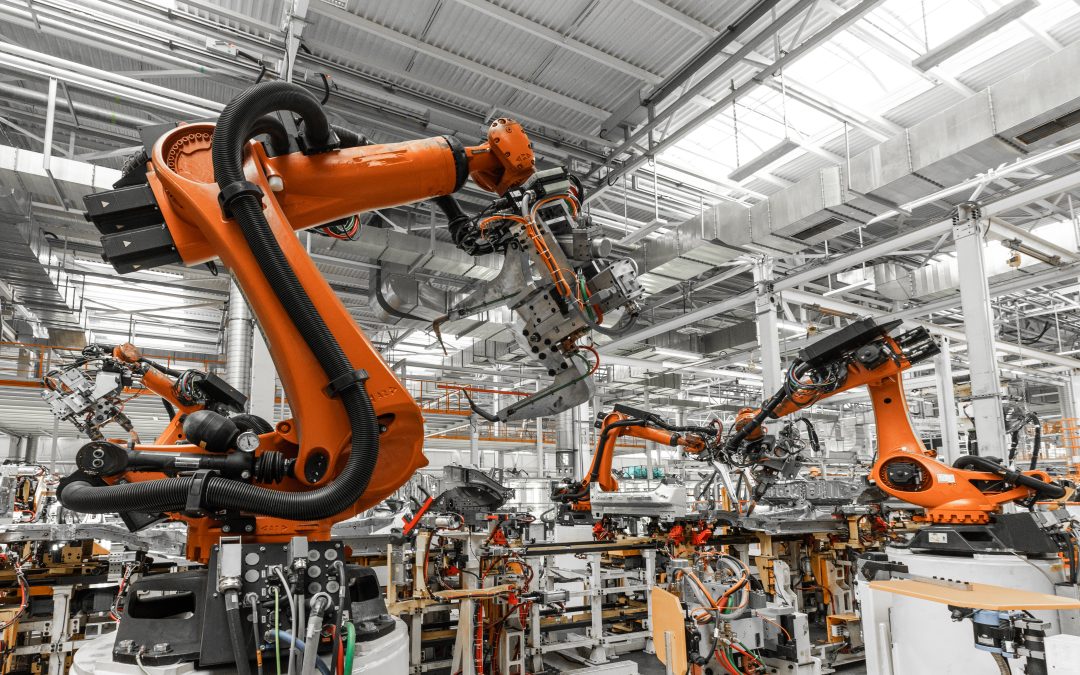
As Artificial Intelligence (AI) becomes increasingly accessible, Intelligent Automation has emerged as a powerful tool for businesses, enabling greater efficiency and reducing repetitive tasks. However, like any digital transformation, its implementation is not without challenges. By understanding these challenges and planning strategically, businesses can fully realize the benefits of Intelligent Automation. Here’s an exploration of the five most common challenges and practical solutions to overcome them.
- Resistance to Change
One of the most significant challenges is the reluctance of employees to adapt to new technologies. Many fear that automation might replace their roles or disrupt their familiar workflows. Without staff buy-in, organizations struggle to maximize Intelligent Automation’s potential.
Solution: Effective communication is key. Involve all stakeholders early, providing transparent information about the technology’s benefits and ensuring employees understand how automation will make their roles more efficient, not obsolete. Develop comprehensive training programs that empower staff with skills to use the technology effectively, reinforcing the value Intelligent Automation brings to their specific roles.
- Data Privacy Concerns
In an era where data breaches are increasingly common, maintaining data privacy is crucial. Integrating AI into business processes raises concerns about how data is collected, stored, and used, making compliance with regulations like GDPR essential.
Solution: Adopt a robust data protection strategy that aligns with industry regulations. Emphasize transparency in data usage, secure data storage, and threat protection measures. Working with experts who understand data privacy laws can help build a secure environment that safeguards consumer trust and prevents breaches.
- Integration Issues
Implementing Intelligent Automation requires integrating it with existing IT systems, which can be challenging, particularly for organizations with complex tech stacks. Inconsistent data quality and siloed information further complicate integration efforts, potentially impacting automation outcomes.
Solution: Approach Intelligent Automation as part of a comprehensive technology strategy. Assess which systems require custom integrations and prioritize those critical to business operations. Additionally, address data quality issues by standardizing and cleaning data before implementation. This will ensure that AI algorithms receive accurate inputs, leading to better outputs.
- Redundancy Considerations
Disruptions to IT infrastructure, whether due to cyber incidents or natural disasters, can impact automation systems, leading to downtime and affecting business continuity.
Solution: Implement redundancy measures for Intelligent Automation systems, including cloud-based recovery plans and wireless backup systems. Regularly test these systems to ensure they function effectively under various scenarios, minimizing disruptions and ensuring consistent productivity.
- Unrealistic Expectations
Automation is often viewed as a catch-all solution, which can lead to disappointment if expectations are not met. AI-driven automation requires continuous testing, validation, and updates to achieve desired outcomes, and it may not solve every problem instantly.
Solution: Set realistic, achievable goals for what Intelligent Automation can accomplish within your organization. Communicate these goals clearly at all levels, emphasizing that results will develop over time as the AI learns and the team gains expertise. Treat automation as a continuous improvement process rather than a one-time fix.
Embracing Intelligent Automation with the Right Strategy
Intelligent Automation has the potential to revolutionize business operations, enhancing accuracy, productivity, and decision-making. However, successful implementation requires addressing challenges head-on, from managing resistance and ensuring data privacy to navigating integration issues and setting realistic expectations. By preparing for these hurdles and seeking expert support, businesses can optimize their automation strategies and unlock the full potential of this transformative technology.
Get In Touch
Contact Us
+6018 788 1618