
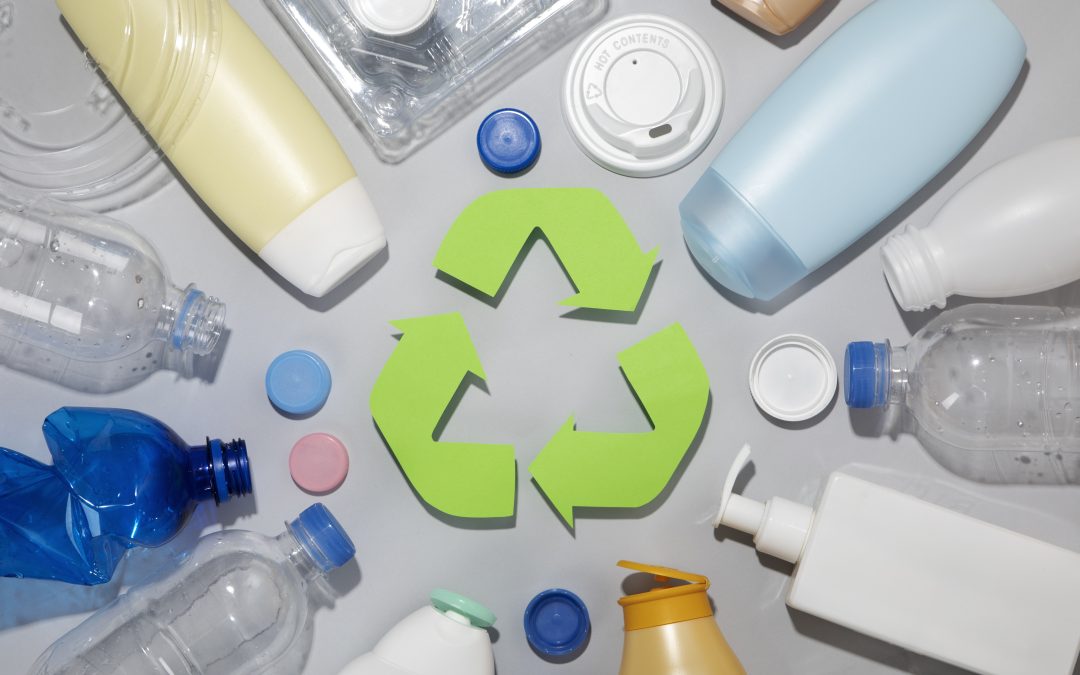
The term “biodegradable” often gets thrown around in discussions about sustainability and environmental responsibility. However, not all biodegradable materials are created equal. Enter Polymateria Biotransformation—a cutting-edge technology that redefines what it means for plastics to break down in the environment. While the concept of biodegradability focuses on a material’s natural ability to decompose, Polymateria’s innovation brings a level of precision, reliability, and environmental safety previously unseen in the realm of plastics. Let’s delve into the key differences between traditional biodegradable materials and Polymateria Biotransformation technology.
Control Over Degradation
Traditional biodegradable materials rely on microorganisms to break them down. While this sounds simple enough, the process often depends on external conditions such as temperature, humidity, and the presence of oxygen. This variability can result in unpredictable rates of decomposition, with some materials taking years to break down completely.
Polymateria’s Biotransformation technology, on the other hand, is designed with control in mind. It triggers the degradation process only when necessary, such as after a product has completed its intended lifespan. This targeted approach ensures that plastics remain functional for their designed purpose but will fully biodegrade if they escape into the natural environment.
Recycling Compatibility
One of the major criticisms of traditional biodegradable plastics is their incompatibility with existing recycling systems. Mixing biodegradable plastics with recyclable materials can often contaminate the recycling process, rendering both materials unusable. This limitation has led to significant challenges in waste management.
Polymateria’s Biotransformation technology addresses this issue by making its plastics recyclable—as long as they are collected within the recycling system. The biodegradation process is activated only outside these systems, allowing Polymateria plastics to seamlessly integrate into recycling streams without compromising their integrity.
Environmental Impact
The promise of biodegradable plastics often comes with a caveat: incomplete degradation. In some cases, traditional biodegradable plastics break down only partially, leaving harmful microplastics or chemical residues in the environment. These remnants can persist for decades, undermining the very purpose of biodegradability.
Polymateria’s technology ensures complete biodegradation, leaving behind no harmful microplastics or residues. This makes it a game-changer in addressing the environmental challenges posed by plastic waste, particularly for materials that escape into natural ecosystems.
Why Polymateria Biotransformation Stands Out
To sum it up, while “biodegradable” is a broad term that describes a material’s potential to break down naturally, Polymateria’s Biotransformation technology offers a specific, advanced solution to the limitations of traditional biodegradable plastics. By combining controlled degradation, recycling compatibility, and a focus on eliminating harmful residues, Polymateria has created a more sustainable and reliable pathway for addressing plastic pollution.
This innovation underscores the importance of precision and responsibility in tackling one of the most pressing environmental challenges of our time. As consumers and industries alike continue to seek sustainable solutions, technologies like Polymateria’s Biotransformation represent a crucial step forward in the journey toward a cleaner, healthier planet.
Get In Touch
Contact Us
+6018 788 1618